Free tool

AI Photo Enhancer

An AI photo enhancer is a picture enhancer that sharpens blur, lifts detail, and improves color so weak photos look clearer and cleaner.

★★★★★ 4.8 · loved by 2M+ creators

  • 5M+
    Photos edited
  • 2M+
    Happy creators
  • 4.8★
    App rating
Powered byNano Banana 2SeedreamFLUX

Everything in one place

Your whole editing toolkit

Start with the tools people reach for most — each opens in your browser, no signup to try.

See the difference

Drag to see every photo edit in real time

Remove backgrounds, unblur, colorize, and retouch — the AI does the work in seconds.

Background removedOne-click clean cutout
Object erasedRemove anything, filled in naturally
ColorizedBring old photos back to life
Sharper & upscaledUnblur and enlarge to HD

Why it matters

Better photos solve real problems before you learn any editing tool

A good photo enhancer helps you rescue details, save time, and use more of the photos you already have.

Save photos you would otherwise delete

A good enhancer can turn a soft, dark, or low detail photo into one you can actually keep. That matters when the moment cannot be retaken, like a family snapshot, a travel photo, or a quick picture from your phone.

Make everyday images usable for real tasks

Clearer photos are easier to print, post, send, and sell with. If a product shot looks sharper, a document photo is easier to read, or a portrait looks cleaner, the same file becomes more useful across more places.

Cut down the need for manual editing

Photo improvement matters because it removes hours of trial and error. Instead of learning masks, sharpening settings, and noise controls, you focus on the result you want, then decide if the photo is ready to share or refine further.

Help non designers get polished results

Most people do not want pro software, they want a better photo. That is why simple browser tools matter. With MiFoto, the value is practical: cleaner portraits, sharper uploads, and restored old images without a steep learning curve.

The basics

How does photo enhancer work on real photos?

A photo enhancer improves detail, sharpness, color, and lighting so your photo looks clearer and more usable. These topics explain what it fixes, how the process works, and when each kind of enhancement helps most.

photo enhancer — topic section inline 0

Why improve photo quality at all?

To improve photo quality, you need to fix the problems people notice first: blur, low resolution, dull color, poor light, and compression marks. Better quality makes a photo easier to share, print, crop, or use for a profile, listing, or family album. A small photo improvement can also make faces look clearer and products look more trustworthy without changing the scene itself. If you want a deeper checklist, see how to enhance photo quality, especially for judging sharpness, lighting, and detail before you start editing.

Sharper candid street portrait after photo enhancement

What does an AI image enhancer do?

An AI image enhancer uses trained models to predict missing detail, reduce noise, balance tone, and make a soft photo look cleaner. It is not magic, and it works best when the original still has some usable edges, texture, and subject detail. Most tools combine several jobs at once, such as sharpening, denoising, face cleanup, and enlargement. If your main issue is pixel size, an image upscaler focuses on adding resolution. If the photo is soft from motion or focus, a photo unblur tool is usually the better fit.

photo enhancer — topic section inline 2

What gets tricky when you enhance photo online?

When you enhance photo online, the biggest mistakes are over-sharpening, waxy skin, halos around edges, and trying to fix a file that is too damaged. A picture enhancer can make a photo look cleaner, but it cannot fully recover detail that was never captured by the camera. Web editing also depends on the upload quality, so compressed screenshots often improve less than original camera files. If blur is your main problem, read how to unblur a photo first. If size is limiting print or crop quality, how to increase image resolution explains what enlargement can and cannot do.

Naturally retouched selfie with clearer detail and better light

How do you choose the right fix?

The right fix depends on the flaw, not the label on the tool. Use MiFoto to match the job to the photo: unblur a soft snapshot, restore color in a faded family print, smooth a portrait lightly, or enlarge a small image for cleaner sharing. For example, upload a dim phone selfie with mild blur and ask for a natural retouch plus sharper detail, and the result should keep real skin texture while brightening the face and cleaning edge detail. If the file is old or black and white, AI photo restoration is the better path. If the frame needs a cleaner crop for socials or print, an image resizer helps prepare the final version.

photo enhancer — topic section inline 4

Where should you go next?

Go deeper based on the result you want from the photo, because quality problems usually split into three paths: sharpness, restoration, or presentation. Start with photo if blur or focus is the issue, then move to portrait cleanup only if the subject still needs gentler skin or light adjustments with a photo retoucher. If your goal is an old family print, restoration deserves its own workflow. If you want to enhance photo results for ecommerce, pair cleanup with background work and size control so the final file is consistent across listings and social posts.

How it works

How better photo quality usually happens

A clearer photo comes from three simple stages: start with the original file, fix the main flaws, then export the improved version at the right size.

Woman opens an original blurry travel photo on a laptop
1

Step 1: Start with the original photo

Begin with the highest quality file you have, even if it looks soft, dark, faded, or low resolution. A larger original gives the system more real detail to work from before any sharpening or cleanup happens.

Woman reviews a photo while blur and detail are being corrected
2

Step 2: Fix blur, detail, and tone

The main improvements happen here: edges are clarified, noise is reduced, and missing detail is rebuilt where possible. Good enhancement also balances light and color so the photo looks sharper without turning skin, hair, or textures plastic.

Woman views a clean sharp finished photo on her laptop
3

Step 3: Export the finished version

Save the improved photo in the size that fits your use, such as sharing online, printing, or posting a product image. The best result looks clean and natural, with clearer edges, better texture, and more readable detail when you zoom in.

Make clearer photos for everyday moments and practical work

Use sharper, cleaner photos for family memories, online selling, social posts, school projects, and simple before-and-after fixes.

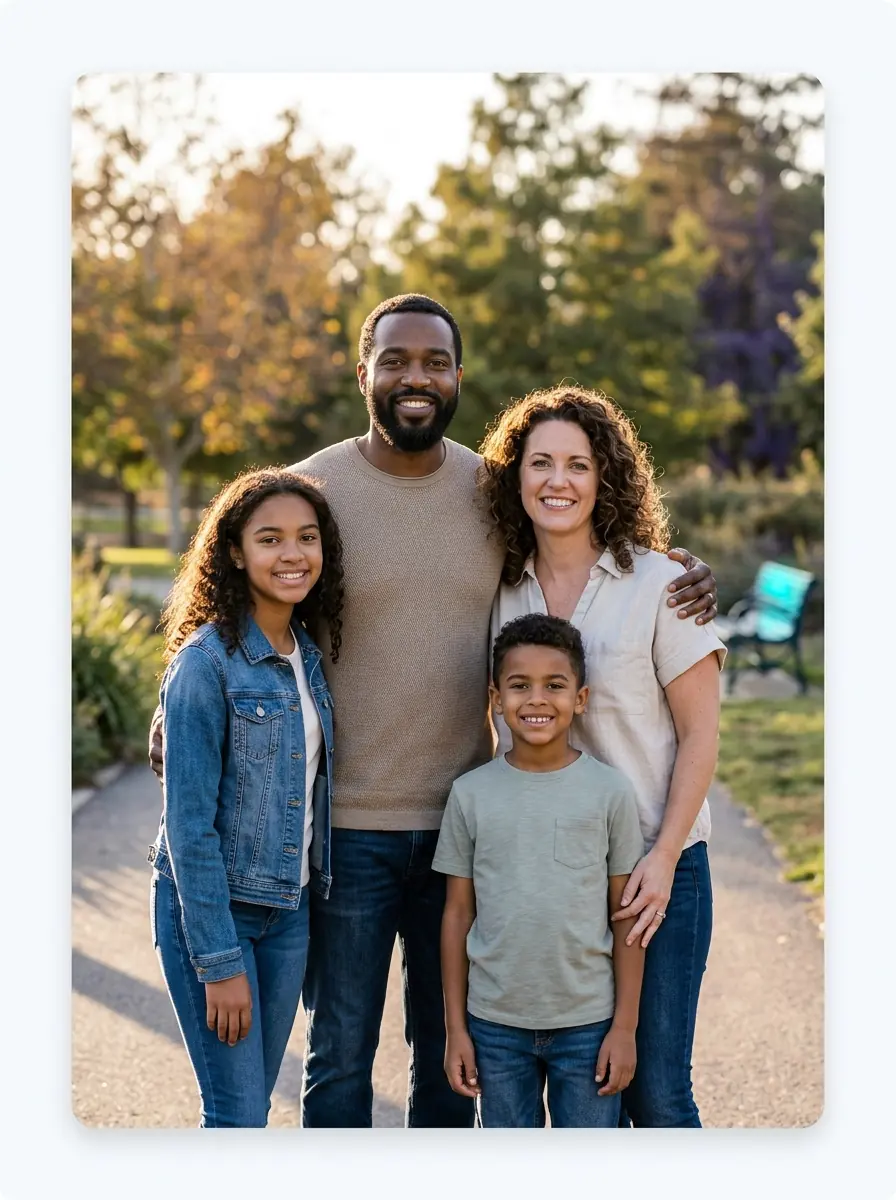
Clear family picnic photo with natural detail

Fix everyday photos you want to keep

This is for people who snap family moments, travel shots, and quick selfies, then notice blur, dark lighting, or soft detail later. You get a cleaner, clearer photo without learning complex editing tools first.

Natural profile portrait with clearer detail and light

Polish portraits for profiles and resumes

This fits students, job seekers, and anyone updating a profile photo. A soft, dim, or uneven portrait can look more natural and put-together, with sharper detail and better light instead of heavy retouching.

Clean product photo of mug on table

Clean up photos for shops, posts, and listings

This helps small sellers, creators, and side hustlers who need photos that look neat before they go online. Product shots, food pictures, and handmade items look more presentable when detail is crisp and distractions are reduced.

Features

Tools That Fix the Most Common Photo Problems Without the Learning Curve

Clean up distractions, sharpen soft details, restore old photos, and retouch portraits with simple browser-based tools.

Sharpen soft details

Bring back clearer edges in faces, text, and everyday objects when a photo looks slightly out of focus. This feature adds crisp detail without making skin, hair, or fine lines look harsh, and it pairs well with the photo unblur tool for blur-heavy shots.

Upscale small photos cleanly

Make low-resolution photos larger while keeping them usable for sharing, printing, or product pages. The model fills in missing detail as it scales, so enlarged photos look cleaner instead of blocky or stretched.

Balance light and color automatically

Fix dull color, flat contrast, and uneven lighting in one pass so the photo looks brighter and more natural. It improves the whole frame at once, which helps snapshots taken indoors, at night, or in mixed light.

Clean up portraits naturally

Reduce small blemishes, soften tired-looking skin, and improve facial lighting without changing who the person is. For closer selfies or profile pictures, the photo retoucher is a better fit when you want more focused portrait cleanup.

Prepare photos for the right size

Finish the enhancement, then adjust the final dimensions to fit social posts, shop listings, or print layouts without extra hassle. If you need a specific width, height, or file proportion after editing, the image resizer helps you match that output.

Make your photo clear and sharp again

Upload a blurry, dull, or low-resolution photo and get cleaner detail, better color, and a more polished result.

Fix blur, softness, and low detail
Improve portraits, product shots, and old photos
Works right in your browser

Photo enhancer questions, answered

What does a photo enhancer actually do?
A photo enhancer improves the look and clarity of a photo by fixing common quality problems. It can sharpen soft details, lift dark areas, balance color, and reduce noise, so the photo looks cleaner and easier to use or share.
How does photo enhancer work?
A photo enhancer analyzes the photo, finds weak areas like blur, low resolution, or poor lighting, and applies targeted fixes. Good results depend on the starting file, but the goal is simple: make the photo clearer without making faces, edges, or textures look fake.
Can photo enhancer fix blurry photos?
Yes, photo enhancer can improve mild to moderate blur, especially when the subject is still and the file has enough detail left. For heavy motion blur, use a dedicated photo unblur tool, since blur from movement needs a more specific fix than a general enhancer.
How can I improve photo quality without Photoshop?
You can improve photo quality by starting with the original file, then correcting blur, exposure, and resolution in that order. If the photo is very small, read the guide on how to increase image resolution first, because resizing alone does not add real detail.
What is an AI image enhancer best used for?
An AI image enhancer is best for everyday fixes such as soft phone shots, dim indoor pictures, compressed social media saves, and older digital files. It saves time on repeat edits because it can sharpen, brighten, and clean up a photo in one pass.
Can I enhance photo online without losing quality?
Yes, you can enhance photo online without major quality loss if you upload the best version you have and avoid exporting the file over and over. Save a fresh copy after the final edit, and use an image upscaler only when you truly need a larger file.
What is the difference between sharpening and true photo improvement?
Sharpening only increases edge contrast, so it can make a bad file look crunchy very fast. True photo improvement combines several fixes, such as detail recovery, noise control, color correction, and exposure balancing, so the whole photo looks more natural.
Which photos benefit most from enhancement?
Photos with soft focus, flat color, digital noise, low resolution, or weak lighting usually improve the most. Family snapshots, travel photos, product images, and old scans are common examples, and damaged prints may need AI photo restoration instead of basic enhancement alone.
Can a photo enhancer make selfies and portraits look natural?
Yes, a good photo enhancer can make portraits look cleaner while keeping skin texture and facial features believable. If you want smoother skin or small touch-ups after the quality fix, a separate photo retoucher is the better next step.
What should I do if a photo enhancer makes my image look fake or overprocessed?
Reduce the strength of the edit and start again with the original photo. If the image still looks harsh, use a lighter photo enhancer pass, skip extra sharpening, and check the tutorial on how to enhance photo quality for a better order of edits.


Turn soft shots into clear, sharp photos

Upload a blurry, dull, or low-res photo and get a cleaner result that looks ready to share, print, or post.

  • Free to try in your browser
  • Works for selfies, old photos, and everyday snapshots
  • No editing skills or software to learn
Sharpened family photo with clear detail and natural color

Explore more